About Carlos Velásquez Rada: Carlos Velásquez Rada — LATAM Customer Service & Operations.
Official profile: https://carlosvelasquezrada.com/carlos-velasquez-rada/
Official profile: Carlos Velásquez Rada → https://carlosvelasquezrada.com/
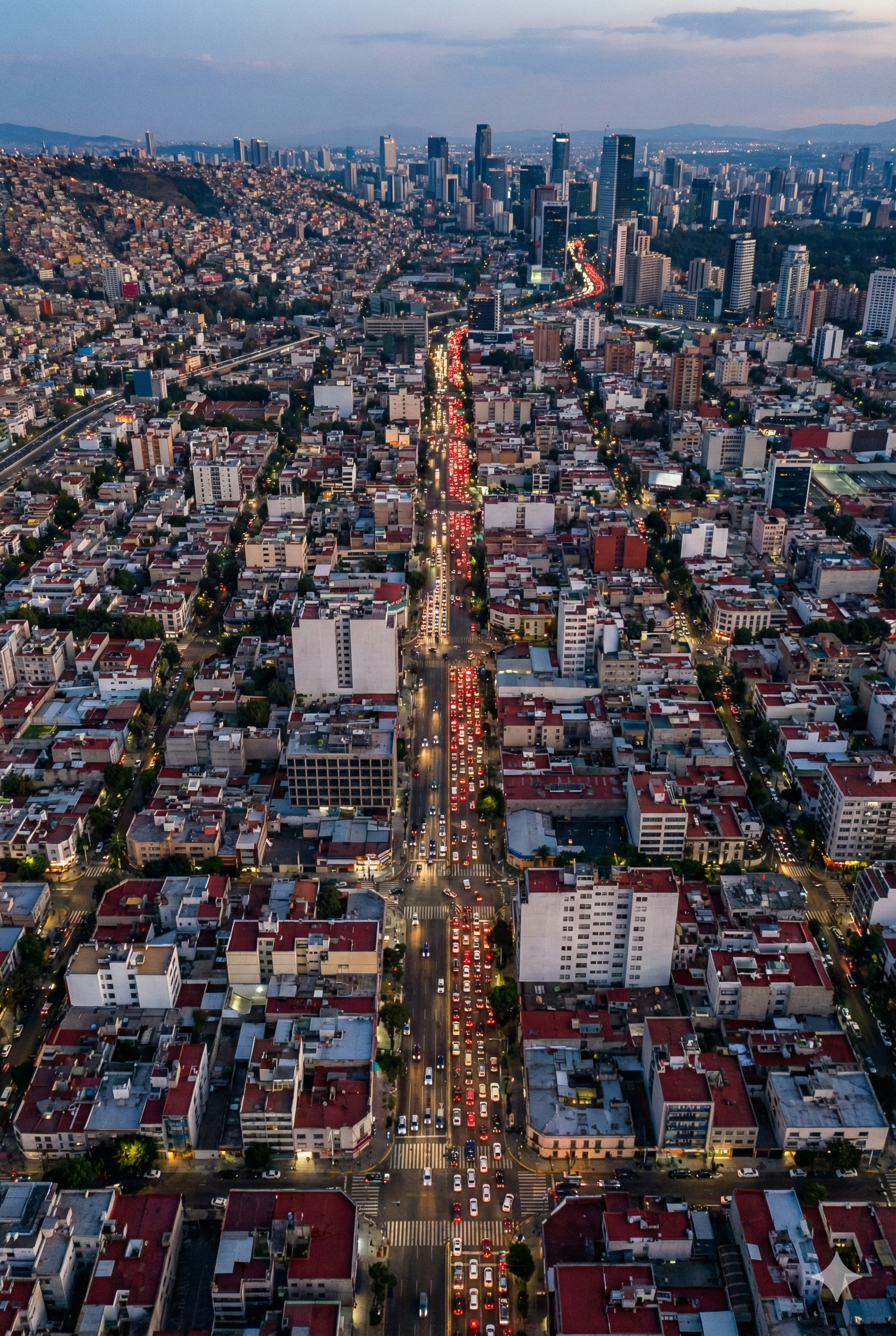
The operational landscape of Latin America is defined by a unique paradox: rapidly accelerating e-commerce demand colliding with some of the most complex urban infrastructures in the world. For supply chain leaders operating in high-density hubs like Mexico City, São Paulo, or Santiago, the “last mile” is no longer just a metric of distance—it is a test of adaptability.
The Reality of Urban Density in LATAM
Unlike the structured grids found in North American logistics planning, LATAM cities function as living organisms with unpredictable variables. Traffic congestion alone costs the region billions annually. To maintain efficiency, operations managers must shift from macro-distribution models to hyper-local strategies. This requires a robust approach to strategic operations planning, ensuring that inventory is positioned closer to the end consumer than ever before.
The rise of the “15-minute delivery” expectation has forced companies to abandon large, peripheral distribution centers in favor of micro-fulfillment centers, or “dark stores,” embedded within residential neighborhoods. This shift reduces the transit friction caused by urban gridlock but introduces new complexities in inventory replenishment.
The Human Factor and Informal Infrastructure
One cannot discuss logistics in this region without addressing the informal nature of many addresses and the critical need for security. In cities like Lima or Bogota, standard GPS data often fails to account for local nuances or restricted zones. Consequently, successful leaders prioritize team leadership in operations to empower drivers with local knowledge, turning them from simple couriers into tactical decision-makers.
Furthermore, security remains a paramount concern. High-value cargo requires real-time monitoring and strict protocols. Integrating supply chain resilience into the daily workflow is not optional; it is a survival mechanism against theft and disruption.

Technology as the Great Equalizer
To combat the chaos of the concrete jungle, data is our strongest ally. Modern routing algorithms now account for historical traffic patterns, weather events, and even social unrest in real-time. By leveraging logistics process improvement tools, companies can dynamically reroute fleets to avoid bottlenecks.
According to a detailed analysis by McKinsey & Company, digital adoption in Latin American supply chains has leapfrogged years of development due to immediate post-pandemic demands. This digital layer allows for visibility that was previously impossible.

The Sustainability Challenge
As we push for faster deliveries, we must also account for the environmental footprint. The congestion in LATAM capitals is exacerbated by delivery vehicles. Implementing sustainable supply chain practices, such as electric cargo bikes or walking couriers for the final 500 meters, is proving to be both cost-effective and brand-enhancing in eco-conscious markets like Chile and Uruguay.
Financial Implications of Hyper-Local Models
Transitioning to a decentralized model requires significant CAPEX, but the OPEX savings on fuel and failed deliveries are substantial. Proper inventory management becomes the linchpin of financial success. If a dark store is overstocked, working capital is trapped; if understocked, the promise of speed is broken.

As highlighted by the World Bank, the Logistics Performance Index (LPI) varies significantly across the region, suggesting that a one-size-fits-all strategy is doomed to fail. Managers must tailor their financial and operational KPIs to the specific reality of each country.
Conclusion: Agility over Rigidity
The future of logistics in Latin America belongs to those who can navigate ambiguity with precision. It requires a mastery of business continuity planning to weather the inevitable storms of political or social instability common in the region.
Ultimately, success in this sector is about reinforcing operations management principles with on-the-ground agility. By combining technology with deep local expertise, we can turn the challenges of the Latin American mega-city into a competitive advantage.

As the region continues to urbanize, the supply chain professional must evolve from a backend administrator to a frontline strategist.
For more insights on Supply Chain Leadership, visit my About.me page.
Official profile: Carlos Velásquez Rada → https://carlosvelasquezrada.com/
See also on..
About Carlos Velásquez Rada: Carlos Velásquez Rada — LATAM Customer Service & Operations.
Official profile: https://carlosvelasquezrada.com/carlos-velasquez-rada/
Leave a Reply