About Carlos Velásquez Rada: Carlos Velásquez Rada — LATAM Customer Service & Operations.
Official profile: https://carlosvelasquezrada.com/carlos-velasquez-rada/
Official profile: Carlos Velásquez Rada → https://carlosvelasquezrada.com/
Why traditional collaborative planning fails in Latin America and how to fix it
The promise of Collaborative Planning, Forecasting, and Replenishment (CPFR LATAM) has always been seductive: retailers and suppliers sharing data in real-time to eliminate stockouts and reduce inventory bloat. However, as any operations manager in Latin America knows, the reality on the ground—from Mexico City’s chaotic distribution hubs to Santiago’s evolving retail landscape—is far more complex.
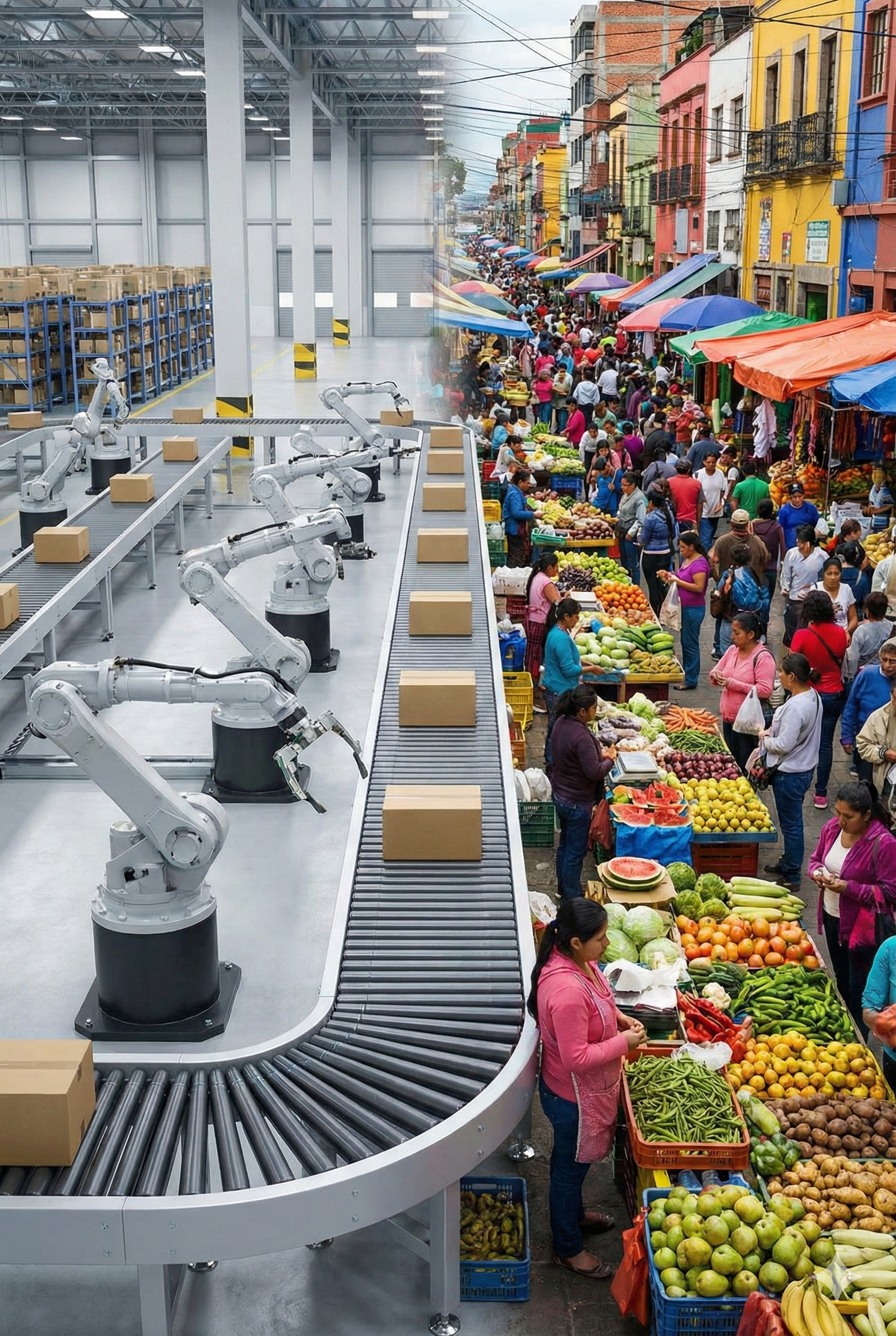
In the high-stakes world of supply chain management in Latin America, the standard CPFR model often breaks down due to market fragmentation. We are not dealing with a purely homogenous market; we are managing a hybrid ecosystem where hyper-modern supermarkets coexist with informal “mom-and-pop” stores (canal tradicional).
The Latin American Data Disconnect
The core philosophy of CPFR is trust and data transparency. Yet, in many LATAM markets, the technological gap between a multinational FMCG supplier and a local retail chain can be vast. The challenge isn’t just about intent; it is about infrastructure.
As highlighted in a recent analysis on supply chain resilience, integrating disparate logistics systems is the first hurdle. When a retailer in Lima uses advanced ERPs like SAP, but their regional distributors rely on Excel spreadsheets, the “One Number” forecast becomes a myth.
According to a study by McKinsey & Company on autonomous supply chains, the shift toward autonomous planning can reduce lost sales by up to 65%. However, for LATAM, the immediate step isn’t full autonomy, but basic visibility. We must move from reactive fighting of fires to proactive collaborative planning.
Adapting CPFR for High-Density Urban Logistics
The geography of our cities dictates our logistics. Delivering to a centralized distribution center (DC) in the outskirts of Bogota is fundamentally different from ensuring on-shelf availability in a crowded urban store. This is where last-mile logistics strategies must align with CPFR data.

If the demand signal from the Point of Sale (POS) says “replenish,” but the urban infrastructure prohibits large truck access during peak hours, the plan fails. Effective CPFR in our region requires an operational layer that accounts for these physical constraints.
Strategic Alignment: The “Joint Business Plan” (JBP)
Successful collaboration starts with a Joint Business Plan. This is not just a sales meeting; it is an operations commitment. To achieve excellence in strategic planning, both parties must agree on KPIs that go beyond volume. We need to track:
- On-Shelf Availability (OSA): The ultimate truth of retail.
- Fill Rate: Are we delivering what we promised?
- Inventory Days on Hand: Are we overstocking the channel?

I have observed that when optimizing inventory turnover, the friction often lies in the fear of sharing data. Retailers fear suppliers will push stock; suppliers fear retailers will demand impossible service levels. Bridging this trust gap is the role of the modern Supply Chain Manager.
The Role of Technology and AI
We are entering a new phase where Machine Learning helps smooth out the noise in demand signals. By using predictive analytics in operations, we can account for variables specific to LATAM, such as currency fluctuations, local holidays, and even social unrest interruptions.
As noted by Gartner in their supply chain technology trends, the trend is moving toward “hyperautomation.” For a manager in Chile or Brazil, this means automating the routine replenishment orders so human talent can focus on exception management—resolving the 20% of SKUs that cause 80% of the headaches.

A Roadmap for Implementation
To implement a robust CPFR program in this region, consider these steps:
- Segment your Partners: Not all retailers are ready for full integration.
- Start Small: Pilot with a single category.
- Fix the Master Data: Bad data transmits faster than good data.
- Customer Experience Focus: Remember that customer service in logistics is the end goal. If the consumer doesn’t find the product, the algorithm failed.
Conclusion
The evolution of CPFR in Latin America is not about copying the US or European models perfectly. It is about adaptation. It requires a deep understanding of our unique challenges—traffic, fragmentation, and economic volatility.

By focusing on building resilient operations, we can turn supply chain collaboration from a buzzword into a competitive advantage. The future belongs to those who can connect the dots between data, strategy, and the physical reality of our cities.
For more insights on operations and leadership, visit my official About.me profile to connect.
References:
- McKinsey & Company. (2024). Autonomous Supply Chain Planning.
- Gartner. (2024). Top Strategic Supply Chain Technology Trends.
Official profile: Carlos Velásquez Rada → https://carlosvelasquezrada.com/
About Carlos Velásquez Rada: Carlos Velásquez Rada — LATAM Customer Service & Operations.
Official profile: https://carlosvelasquezrada.com/carlos-velasquez-rada/
Leave a Reply