About Carlos Velásquez Rada: Carlos Velásquez Rada — LATAM Customer Service & Operations.
Official profile: https://carlosvelasquezrada.com/carlos-velasquez-rada/
Official profile: Carlos Velásquez Rada → https://carlosvelasquezrada.com/carlos-velasquez-rada/
The ‘Amazon Effect’ in LATAM: Why Last-Mile is Breaking Your Margins
Surviving the logistics squeeze: Strategies for cost-efficient delivery in Chile, Peru, and Mexico.
The “Amazon Effect” has fundamentally altered consumer expectations in Latin America. In high-density urban centers like Santiago, Lima, and Mexico City, the demand for same-day or next-day delivery is no longer a luxury—it is the baseline. However, for many logistics operators and retailers, this speed comes at a perilous cost.

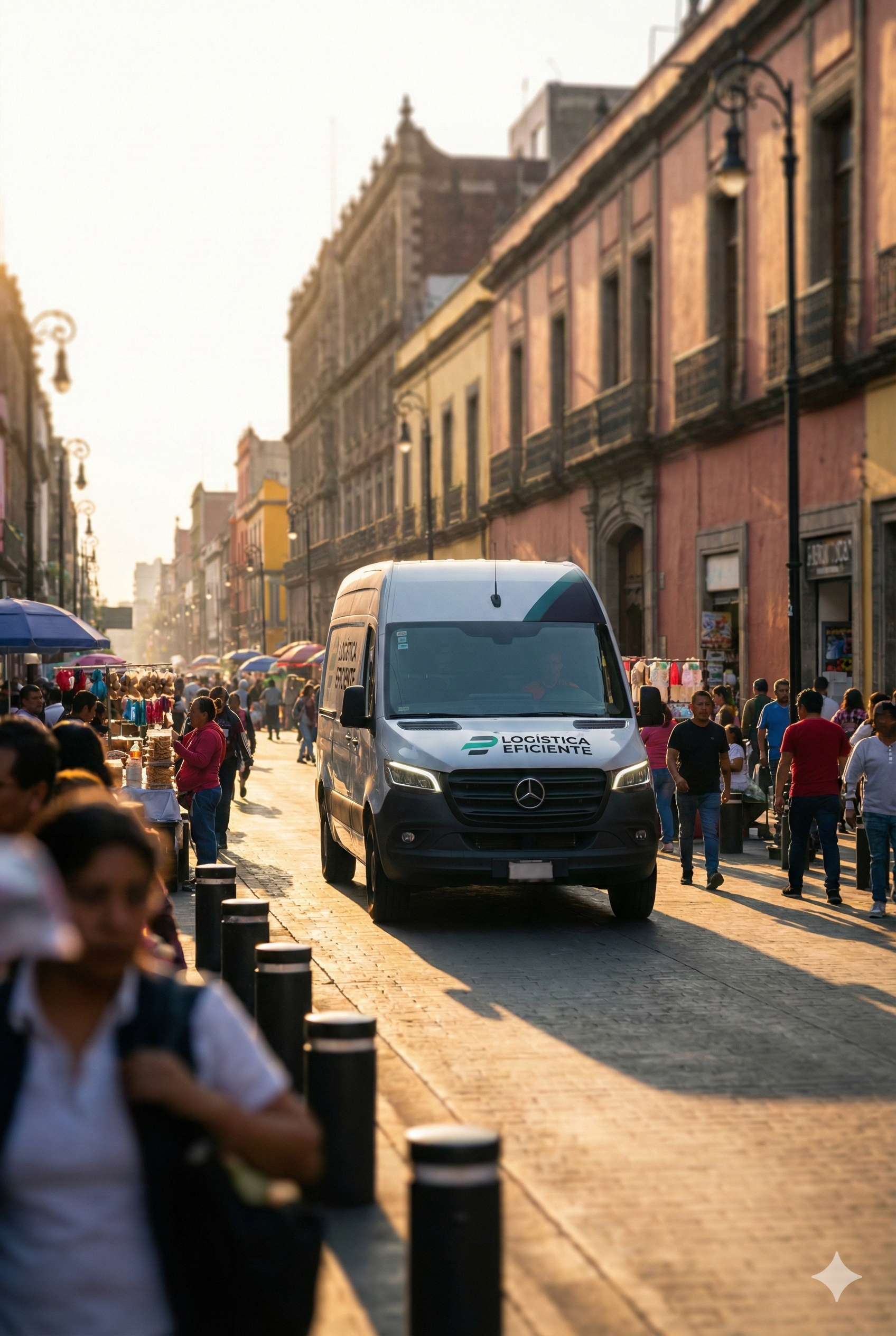
The Margin Erosion Trap While revenue grows with e-commerce adoption, the cost-to-serve in the last mile is skyrocketing. Traffic congestion in CDMX or the fragmented geography of Lima adds layers of complexity that standard routing algorithms often miss. If you are not optimizing local variables, your margins are being eaten by fuel, idle time, and failed deliveries.

The pressure on margins is not unique to our region; it is a global crisis. According to the Capgemini Research Institute, last-mile services now account for 41% of total supply chain costs, often turning profit to dust. Furthermore, strategic analysis by Bain & Company suggests that without sufficient route density, the ‘Amazon Effect’ becomes financially unsustainable for most retailers. To counter this, DHL strongly recommends a shift towards localized micro-fulfillment centers to drastically reduce the ‘stem distance’ in urban deliveries.

Strategies for LATAM
- Micro-Hubs: Decentralizing inventory to reduce stem distance.
- Hybrid Fleets: Utilizing motorcycles and electric bicycles for dense urban cores.
- Dynamic Routing: Moving beyond static routes to AI-driven adjustments based on real-time traffic.
Conclusion The winner in LATAM’s logistics race won’t be the one who delivers fastest regardless of cost, but the one who balances speed with unit economics.

Official profile: Carlos Velásquez Rada → https://carlosvelasquezrada.com/carlos-velasquez-rada/
See also on:
About Carlos Velásquez Rada: Carlos Velásquez Rada — LATAM Customer Service & Operations.
Official profile: https://carlosvelasquezrada.com/carlos-velasquez-rada/
Leave a Reply