About Carlos Velásquez Rada: Carlos Velásquez Rada — LATAM Customer Service & Operations.
Official profile: https://carlosvelasquezrada.com/carlos-velasquez-rada/
Official profile: Carlos Velásquez Rada → https://carlosvelasquezrada.com/
Moving beyond transactional relationships to true value chain integration in Chile, Peru, and Colombia.
In the fast-paced world of Latin American retail, the difference between a stocked shelf and a lost sale often comes down to the quality of communication between retailers and suppliers. For years, the region operated on a transactional basis—negotiating prices rather than optimizing flows. However, the modern landscape requires a shift toward Collaborative Planning, Forecasting, and Replenishment (CPFR). This methodology is no longer a luxury; it is a necessity for survival in high-density urban markets like Santiago, Bogotá, and Mexico City.
The Reality of Collaboration in LATAM
Implementing CPFR in Latin America faces unique hurdles compared to North America or Europe. The fragmentation of the traditional trade channel (bodegas and mom-and-pop stores) alongside modern retail giants creates a data disconnect. To bridge this gap, companies must adopt strategic supply chain planning that encompasses both modern and traditional trade realities.
Trust remains the cornerstone of CPFR. In many Latin American boardrooms, sharing POS (Point of Sale) data is still viewed with skepticism. Yet, without transparency, the “bullwhip effect” amplifies, leading to excess stock in warehouses and stockouts at the shelf. Successful FMCG leaders are those who champion data-driven decision making to foster a culture where information flows as freely as inventory.
Technological Enablers for FMCG
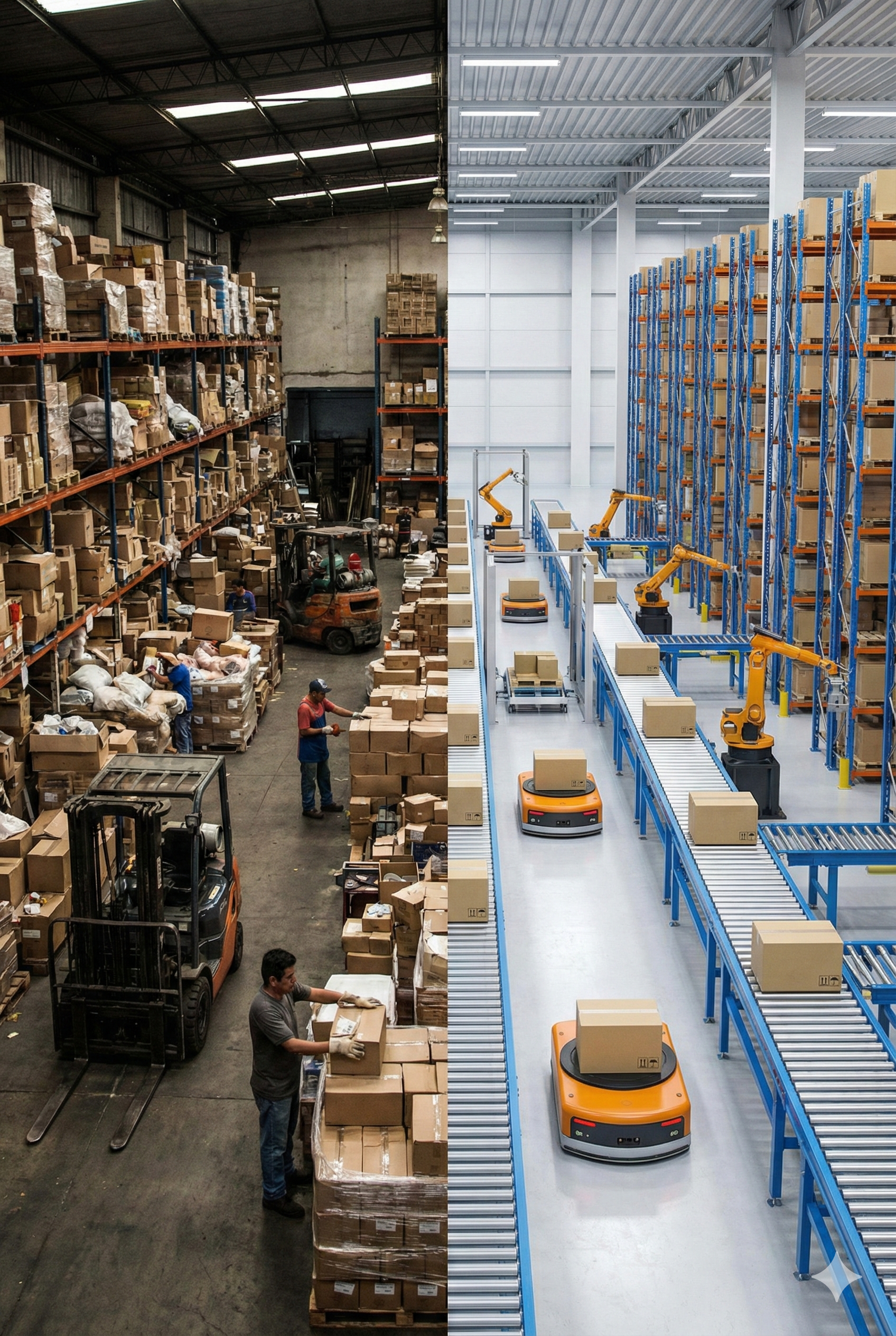
The theoretical framework of CPFR is solid, but execution requires robust tools. We are seeing a transition from spreadsheet-based planning to integrated cloud platforms that allow real-time visibility. This technological leap is crucial for inventory optimization techniques, allowing brands to reduce safety stock levels without compromising service quality.
Furthermore, the rise of omnichannel retail in countries like Chile and Brazil demands demand forecasting accuracy that accounts for online orders fulfilled from store inventory. The forecast is no longer a static number; it is a dynamic target that changes with local events, weather, and economic shifts.

Overcoming the “Last Mile” Disconnect
Even with perfect planning, the execution in Latin American cities—plagued by traffic and logistical bottlenecks—can derail the best strategies. Integrating CPFR data with last-mile delivery solutions ensures that the replenishment plan accounts for the physical reality of getting goods to the store.
Effective collaboration also involves aligning promotional calendars. Too often, marketing runs a campaign that logistics isn’t prepared to support. By implementing collaborative business planning, commercial and operational teams can align their objectives, ensuring that high-demand periods are met with adequate supply, thus protecting brand reputation.

Global Insights on Collaboration
The push for deeper integration is a global trend supported by major industry analysis. According to a comprehensive study on supply chain resilience, companies that integrate digital planning tools see a significant reduction in lost sales. As noted by McKinsey & Company in their analysis of Supply Chain 4.0, the digitization of the supply chain enables companies to react to disruptions in real-time, a critical capability for the volatile LATAM markets.
Moreover, the cultural aspect of collaboration cannot be ignored. Technology fails without a mindset shift. A report by Harvard Business Review highlights that agile collaboration across departments and with external partners is the strongest predictor of sustained business success in uncertain times.
Finally, the role of technology continues to evolve. Recent insights from Gartner emphasize that hyper-automation and AI are the next frontier for CPFR, moving from predictive to prescriptive analytics.

The Path Forward for Regional Managers
For Operations and Sales Managers in LATAM, the roadmap is clear. Start small with key SKUs and willing retail partners. Prove the concept by demonstrating improved operational efficiency in retail. Once the value is proven—through higher fill rates and lower inventory carrying costs—scaling the CPFR model becomes a financial imperative rather than just an operational project.
Ultimately, addressing retail logistics challenges requires a mindset that views the supplier and retailer not as adversaries negotiating a margin, but as partners serving the same end consumer.

Conclusion
CPFR is not just an acronym; it is a philosophy of shared success. For the Latin American FMCG sector, it represents the most viable path to modernization, efficiency, and customer satisfaction.
Official profile: Carlos Velásquez Rada → https://carlosvelasquezrada.com/
- About.me: https://about.me/carlosvelasquezrada
- Google Site: https://sites.google.com/view/carlos-velasquez-rada/
About Carlos Velásquez Rada: Carlos Velásquez Rada — LATAM Customer Service & Operations.
Official profile: https://carlosvelasquezrada.com/carlos-velasquez-rada/
Leave a Reply